Why Wear Gloves Believes in the Plant Market: A Conversation with Ken and Wendy
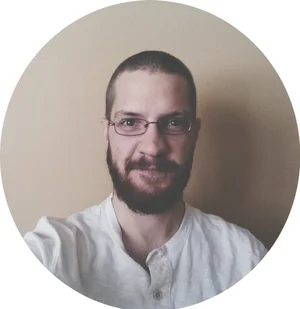
When Neighborhood Church needed a new way to serve neighbors after the Dignity Center work slowed down, it was Ken and Wendy Kebrdle from Wear Gloves who asked the question that kickstarted everything: "What about a plant nursery?"
We sat down with the founders of Wear Gloves to hear their story and understand why they believe the Neighborhood Plant Market is the right next step for this partnership.
Sixteen Years of Learning What Love Looks Like
Ken and Wendy Kebrdle never planned to run a nonprofit for 16 years. What started as a dissatisfaction with just hosting a Bible study in their home grew into something much bigger when they realized they wanted to do more than just meet once a week.
"We sold everything, moved into a bus with our then 12-year-old daughter Madi, and traveled around the country," Wendy explains. They immersed themselves in communities dealing with poverty, homelessness, and other struggles. They learned by being there—standing in food lines, spending time in tent camps, building real relationships.
That experience taught them something critical: good intentions aren't enough.
"We didn't ask the question 'what do you need?' It was just 'here's some canned goods and rice,'" Ken remembers. They learned that even when people received canned goods and rice, they often had no way to cook them.
The lesson was simple but profound: you can't truly help people until you know them.
The Problem with More Food Lines
Jesus said to love God and love your neighbor. It sounds simple, but Ken and Wendy discovered it's actually complicated. "Love looks different to everybody. We often have an idea of what people should need. But until you have a relationship and talk and maybe find out what their why is, everything we do misses the mark."
When they came to Ocala, they found that food wasn't the problem. "There's seven food lines available for people living on the streets. So a church that wants to start helping and starts another food line? It's not loving. It's not helpful."
They learned that in Ocala, the biggest needs are employment and housing.
Why Dignity-Based Work Matters
Employment sounds simple, but it's complicated when you're dealing with people facing mental illness, addiction, or trauma. Most employers won't hire someone living in a tent. And people who have been through hard times aren't going to be star employees from day one.
"It takes a community working together with them," Ken explains.
That's why Wear Gloves started the Dignity Center—a place where people could work, earn what they needed, and build skills in a supportive environment. They started small with pallet art and 10 clients, then brought in work from different manufacturers. Last year, 260 different people worked for Wear Gloves, with 90+ clients working every week.
The Partnership with Neighborhood Church
When Wear Gloves met Pastor Michael and the team at Neighborhood Church, they saw an opportunity. The church is located in an area where many families struggle financially, but it was hard for those neighbors to travel even the short distance downtown to Wear Gloves' main campus.
So they started Dignity Center East at the church property. Church members worked alongside clients, providing employment opportunities right in their own community. People earned help, built relationships, and some even came to know Jesus through the experience.
"It was really beautiful. You can open your doors that way. We've seen some of our clients that worked out there been baptized and really come to know the love of Jesus."
Ken notes that they've talked to churches around the country about this model, but Neighborhood Church is unique. "There aren't any other churches that do anything similar to that," he says. Most churches aren't willing to open their doors for people in distress to come work and earn the help they need.
Why a Plant Nursery Makes Sense
When the Dignity Center East work slowed down, Ken and Wendy started brainstorming with the church about what could provide regular work for regular people. That's when they thought about the plant nursery.
Neighborhood Church had the acreage. They had people with plant experience. And Wear Gloves had already seen the benefits of working with plants.
"We did a small-scale garden when we first started," Wendy remembers. "We saw the benefit of people working in the dirt and growing things and then taking them home and eating them. That's just a beautiful, healthy, healing situation."
At their other location, clients would pull weeds and work in the garden, then take home fresh produce. "Fresh produce is really hard to come by when you're in a distressed position," Wendy explains. "When you're eating in a soup kitchen, you're not given a salad bar. You're given mashed potatoes and gravy."
The garden gave people something rare: the chance to work with their hands, watch things grow, and bring home real food for their families.
More Than Just Getting People to Church
Ken and Wendy believe the Neighborhood Plant Market is about more than just creating jobs. It's about showing love in a tangible way.
"Churches often feel like the whole goal is to get people to come into your services on Sunday," Ken says. "But when you get them interacting with your people, working alongside them, that's when they feel more welcoming. More people care about what you're doing when you invest in them."
Recently, they talked with a local commissioner who emphasized the need for more work opportunities and therapeutic environments in the area. The Plant Market fits that need perfectly.
A Partnership That's Just Getting Started
Wear Gloves continues to provide administrative support for the Neighborhood Plant Market, and Ken and Wendy are excited about what's ahead. They've seen what happens when churches step outside traditional models and meet people where they are.
"We think it's a great concept," Ken says. "Not just to provide work, but as a tangible way to show the love of people in the community."
After 16 years of learning what works and what doesn't, what helps and what hurts, Ken and Wendy believe this plant nursery can be something special—a place where people work with their hands, grow things, and experience dignity in the process.
Watch the full conversation: Ken and Wendy share their story on YouTube
Want to be part of this? Subscribe to our newsletter and YouTube channel at ncocala.com/market, and consider supporting the Neighborhood Plant Market as we build this vision together.