
Neighborhood Church is continuing our series Sparking the Flame, a walk through the book of Acts.
Imagine someone tries to put out a campfire by stomping on it as hard as they can. What actually happens? Embers fly in every direction, and a small fire can turn into a wildfire. That picture sits at the heart of our series Sparking the Flame, a walk through the book of Acts. Jesus lit a fire in Jerusalem when he sent the Holy Spirit. Thousands came to know him, the sick were healed, and believers shared life together. Along the way, the enemy of the gospel kept pushing back, trying to stomp the fire out. This time the pushback turns deadly, and we see what God does with it.
Here is the big idea: Jesus makes good out of what was meant for evil. It is a pattern that runs all the way back to Genesis, and it shows up again in the story of a man named Stephen.
Serving well draws attention
Stephen was one of the seven servants the church chose to care for widows in need. He was not a famous preacher. He was simply serving God's people, led by the Holy Spirit.
And Stephen, full of grace and power, was doing great wonders and signs among the people. Acts 6:8 (ESV)
People were watching, and some of the religious leaders did not like what they saw. They argued with Stephen, but they could not overcome the wisdom the Spirit gave him. So they did what people often do when they lose an argument. They lied. They found people to claim that Stephen had spoken against Moses and against God, and they dragged him in front of the Sanhedrin, the same council that had dealt with Jesus, Peter, and John.
Luke tells us something interesting about that moment. All who sat in the council saw that Stephen's face looked like the face of an angel. The Old Testament describes Moses in a similar way after he spent time with God. Stephen was accused of speaking against Moses, yet he carried the same kind of glow that Moses did. The irony is hard to miss. These leaders were trying to stop the work of God, and God was visibly present with the man they accused.
Pushback is something we should expect when we follow Jesus. The message of the gospel tells people they are not the king or queen of their own lives, and many people do not want to hear that. But pushback is also an opportunity to share the good news.
A history lesson that hit home
When the high priest asked if the charges were true, Stephen did not call a lawyer. He told a story. He walked through the history of Israel, from Abraham to Joseph to Moses. Joseph's brothers sold him into slavery, but God used that evil act to save many lives. The people rejected Moses, the leader God sent to rescue them, and later turned to worship a golden calf. Again and again, God sent messengers, and again and again, his people resisted.
Stephen closed by making his point directly":
You stiff-necked people, uncircumcised in heart and ears, you always resist the Holy Spirit. As your fathers did, so do you. Acts 7:51 (ESV)
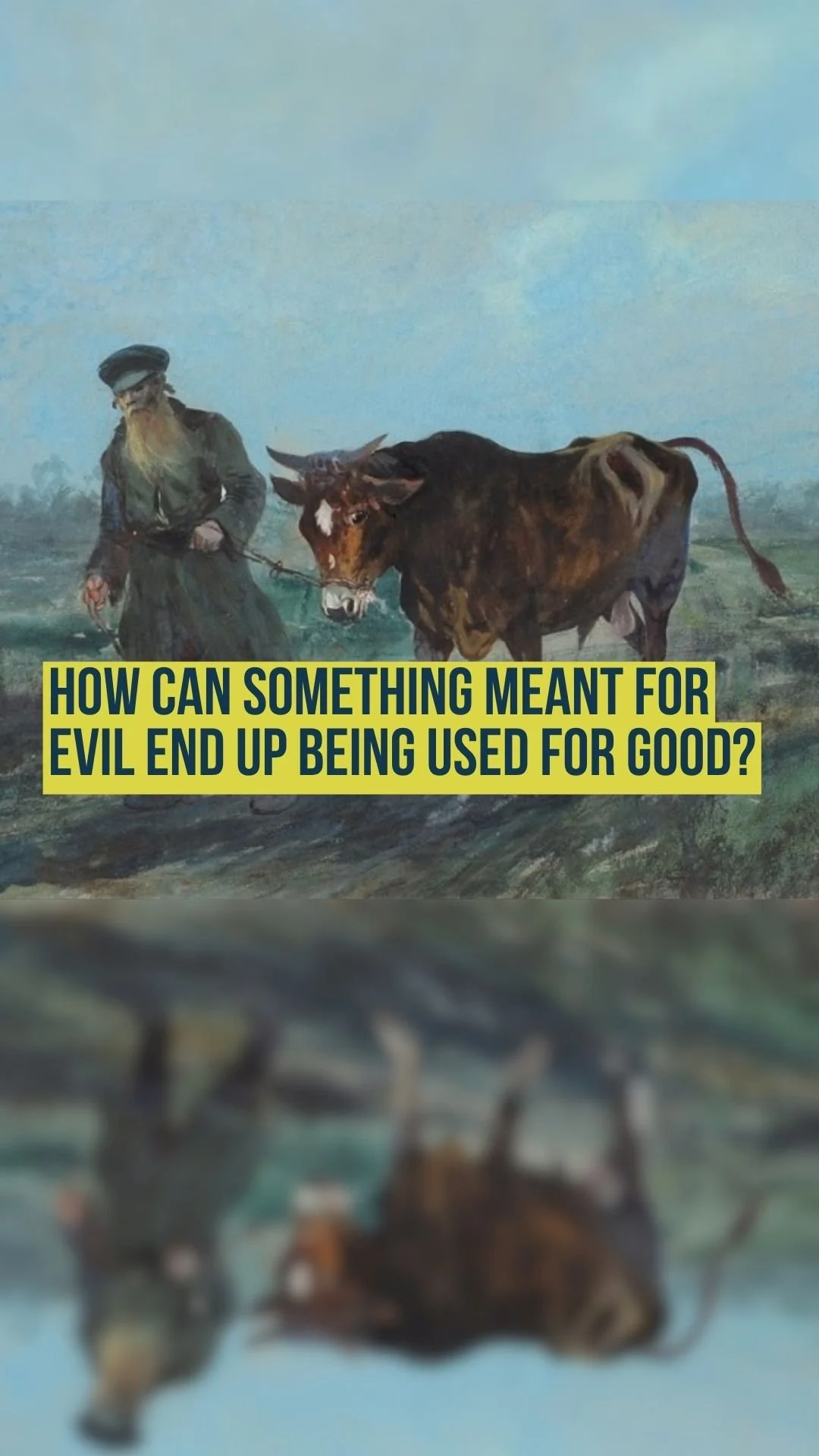
"Stiff-necked" is a farming image. Picture an ox being guided to plow a field. The farmer pulls to the left, and the ox stiffens its neck and pulls to the right.
God used this phrase to describe his people long before Stephen did. Stephen also said their hearts and ears were uncircumcised. Circumcision was the physical sign that someone belonged to God's people. Stephen was saying they carried the outward sign but their hearts were not with God, which is why they could not listen for him.
This is a warning for all of us, not just for the council. The same Holy Spirit who gave Stephen boldness lives in every person who has trusted Jesus. When the Spirit nudges us to speak a loving, truthful word to someone and we pull away, we risk acting like the stiff-necked ox. What lies are you running to this week, and are you willing to confront them in love?
Eyes on Jesus
The council did not stop to reflect on what Stephen said. They rushed at him in a rage. But when the angry mob picks him up, Stephen’s attention is elsewhere:
But he, full of the Holy Spirit, gazed into heaven and saw the glory of God, and Jesus standing at the right hand of God. And he said, “Behold, I see the heavens opened, and the Son of Man standing at the right hand of God.” Acts 7:55-56 (ESV)
The crowd dragged Stephen outside the city and stoned him. What looked like the worst moment of his life was also a moment when he got to see Jesus. His last words echo the way Jesus prayed on the cross.
And as they were stoning Stephen, he called out, “Lord Jesus, receive my spirit.” And falling to his knees he cried out with a loud voice, “Lord, do not hold this sin against them.” And when he had said this, he fell asleep. Acts 7:59-60 (ESV)
Even as he was dying, Stephen prayed for the salvation of the people killing him. Real pain and real loss are not small things, and God does not ask us to pretend otherwise. But the temporary pain of this world cannot compare to being with Jesus. What are you facing right now? Are your eyes fixed on your circumstances, or are they lifted toward your risen Savior?
The embers go everywhere
Stephen's death was followed by a wave of persecution. A young man named Saul approved of the killing, and he began going from house to house, arresting believers.
And there arose on that day a great persecution against the church in Jerusalem, and they were all scattered throughout the regions of Judea and Samaria, except the apostles... Now those who were scattered went about preaching the word. Acts 8:1, 4 (ESV)
Remember what Jesus told his followers in the first chapter of Acts: they would be his witnesses in Jerusalem, Judea, Samaria, and to the ends of the earth. Up to this point, they had stayed in Jerusalem. The persecution did what the church had not yet done on its own. It sent them out. The enemy stomped on the fire, and the embers landed everywhere.
God does not waste pain. Stephen's faithfulness, and the scattering that followed, helped carry the gospel far beyond Jerusalem. Saul himself would later become one of the greatest carriers of the faith. Nothing can stop the fire God has started, and each of us is invited to be part of it.
Questions to carry with you
Where have you seen God take something painful and bring good from it?
Are you expecting pushback when you follow Jesus, or are you surprised by it?
And if you have never put your trust in Jesus, know that Jesus offers life to anyone who turns to him. He paid for sin, he rose from the dead, and he invites you to be part of what he is doing.
Keep exploring
If you are local to Ocala and would like to talk through any of this, we would love to hear from you. Email us at ocala@weareneighborhood.church or text 352-236-2211. We would be glad to connect and keep the conversation going.
If you live outside the Ocala area, we would encourage you to find a local church near you where you can keep asking these questions and walk through them together with others.
Editor note: This blog summary was generated from a sermon transcript processed by AI and reviewed by a human editor. It is provided for convenience and engagement but may not fully reflect all of the original sermon emphases or explanation. The original writing and delivery of the sermon were done without the input of AI. Please refer to the full message and more importantly the Scripture for complete context and teaching.